
Questionable Futures
Since I’ve been playing on computers back in the 80s when the first ones came out, I’ve been watching the connection between humans and computers and the code behind the systems.
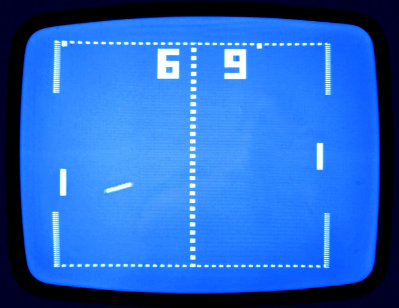
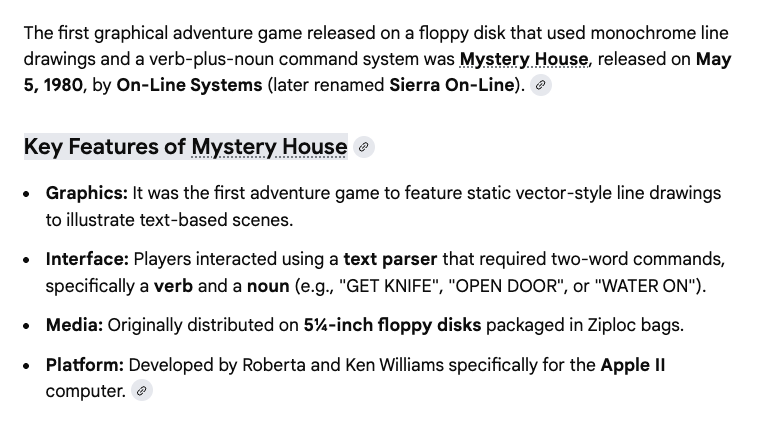
We got every game in my family, every new system including a self contained Astroids vetrex (note to self… look that up… ) game where we played and played in our early years into our teens. A Mac with floppy disks containing games that only used still screen shots to move between the transitions literally captured our attention for hours. There was no mouse, only a keyboard to type in a verb and then a noun. Ie: Move Rock > then it would take you to another still screen shot, with lines only as the graphic, across the window. So the entire game fit onto 1.2 MB which is insane in today’s thinking.
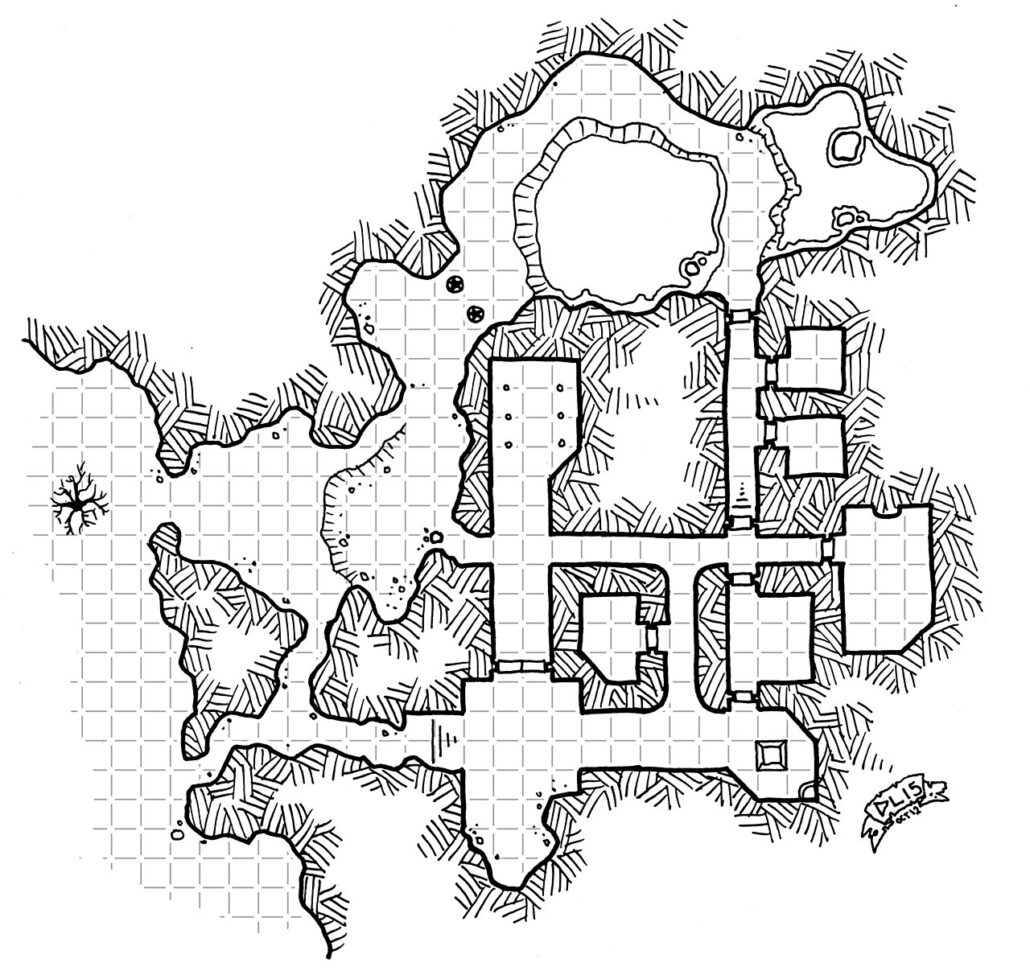
https://en.wikipedia.org/wiki/Dungeon_crawl
All of the games in between, my brother got them. I played on them. At the arcades came Space Invaders, Astroids again, PacMan and a few other quite addictive games. So this technology, none of it is new. Gaming is where a lot of it started.
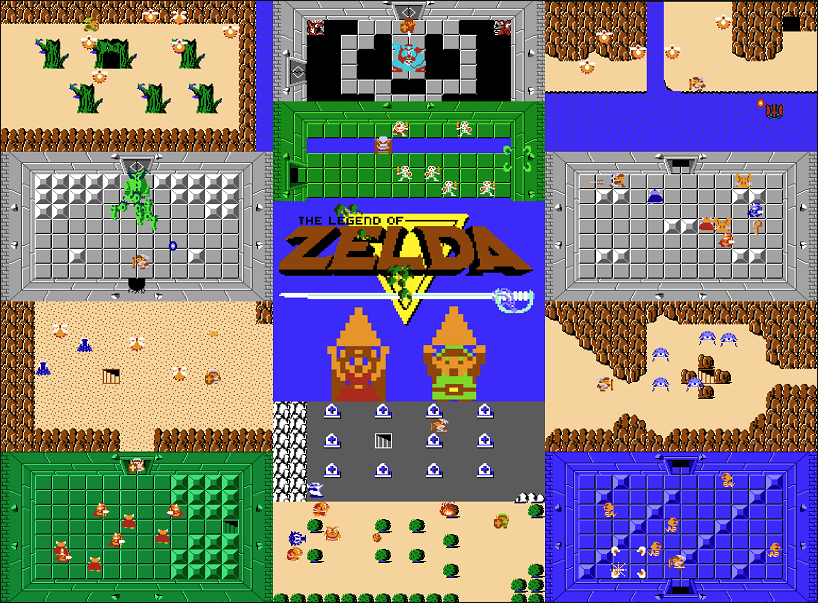
Then came Zelda.
That had my brother creating entire maps and charts to remember how to navigate that labyrinth. Wow do I wish I had that. He was an artist in his own right and that thing would be amazing to see today.
In high school I took a computer course and wrote some code that actually ran on the one computer we had, college, too, wrote some code and it ran. Later the internet came along and I had to learn some code, by then I just wanted to get to the reason for having to do the code in .html and .php and .css to do the website design. Then WordPress came along and removed that need, now A.I. may be coming along to do who knows what….
Going forward, I have no idea what is about to happen, but I’ve ridden the wave all along, keeping up with social media and how it’s affecting our brains; phones and all of what has happened with our focus and time and attention and money and updates and and and… with those phones… which I have resisted since Day One with no amount of support, mind you, as a website developer.
In 2020 all of my clients had to close their doors, then open back up with limitations, slowly, with fear and uncertainty, some came back, but most of mine didn’t.
Something happened during that time while we went home to re-evaluate our lives and what was/ is important to us. I began my own research rabbit holes; since time is what was provided, I took it to learn.
YouTube has given me the opportunity to really, really look at a variety of perspectives without landing on any one conclusion, other than there is a shift.
I am in no means in a position to give answers, but what I’m going to begin to do is organize the information I am finding, resources where people are thinking about the future and trying to learn rather than closing off and saying “I just want to live in my bubble” because good luck….
I found this guy, speaking in terms of A.I. and how it can possibly go, I don’t know either, but he knows how to zoom out as well as I try to do, rather than get caught up in the daily arguments; because arguing isn’t learning. Talking isn’t learning.
Curiosity is ground zero for a higher IQ. People with higher intelligence are interested in just about everything. Some of it is innate and even that needs to be nurtured, as my granddaddy said while he beat us at chess and checkers and dominos, saying “use it or lose it.”
In an effort to understand A.I. myself and how this is going to take my own job, it already has… and so many other creatives around it, is it possible to dig deeper and see ahead that we will be STARVING for human touches and real reality, not fake reality?
The video below is good, and the comment section is interesting as well. Let’s turn up the IQ level, wake up and keep on learning.
Use it or lose it.
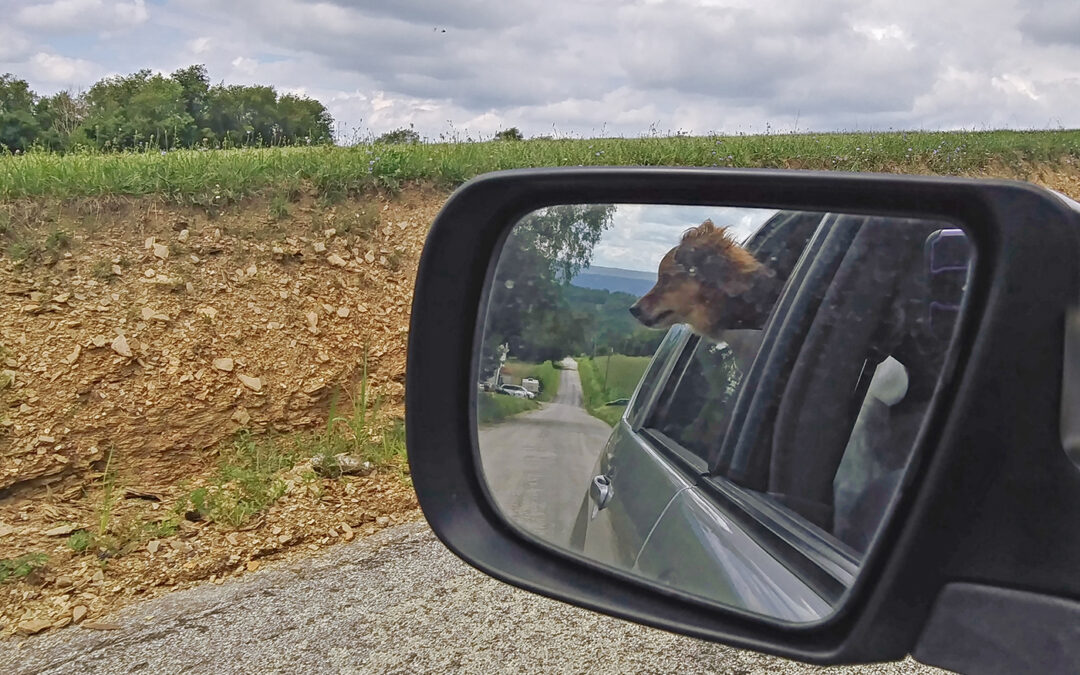
Empaths, Art, Animals & Nature
The answers to life don’t come until later on, when you have proof of things you’ve sensed.
What worked, what didn’t…
The title of my post is kind of a summary of how it all worked together to make me an entrepreneur, and not someone who could sit in a loud chaotic office space and do work. I mean I could do it, I did it, at the largest ad agency in Pittsburgh in the 90’s.
In fact I’ve worked in a variety of places, some day I’ll make a list, but some main points of my “survival” have come from not fitting into environments that I was supposed to be creative in, and one of them included a whole lot of noise, all day long. One didn’t have windows and was hell to get to and park, street cleaning every other side of the street every week, which side, no pass just hit or miss, I had to keep a calendar in the car to park, got tickets, traffic was terrible. How in the world do people do this, all before work?? and then have a good day? to look forward to the traffic going home and the poor dog waiting…
I refrain always (in print 😅) from any personal judgements on personalities in ad agencies because I worked both full time, and on temporary assignments at many of them in Pittsburgh. Quite a few. The more stressful ones, we were all under stress and it was quite a ride, and sometimes we weren’t our best selves. 😜
True story, before that, I was offered a job at WPXI but turned it down. They started people out on the nightshift, the 11 o’clock news. So my job would have been to do the graphics for the news reels and they put you there and on the later night news until you proved yourself. (less viewers to see your boo boo’s) So the hours were 9 or 10pm to 5am or something like that. It paid a kind of low wage. I know, it could have been,… coulda shoulda woulda, but I never regretted that. Never once. The Brady Group? I think it was called at the time, offered me a job in production full time after temping there, but when I said I wanted to be a designer they (respectfully) said that’s not what we are looking for. Positions like that are pretty cut and dry. They loved my production work and said if you want that job it’s yours, but weren’t really after my potential for something else, which is great, I appreciated them, they were honest, so was I, we shook hands and wished each other well. My inner compass was something I couldn’t pinpoint but something drove me different directions.
There was this awesome thing back then, a Mac temp agency. Right up my alley. Granddaddy bought the first one, I know Mac’s… so I was consistently employed. I went everywhere, in agencies, one company that only did book translations so I sat and laid out books in multiple languages, books for C-pap machines and many others. They had someone from every country coming in there to translate so I was laying out books in languages in Pagemaker that I couldn’t even understand. No eastern languages, European and Spanish, I believe they all used our same alphabet. Anyway, talk about making something boring (catalog page layout) interesting. I learned a few foreign words, but forgot them. I was offered a full time job there later on but that was not where I was headed, desktop publishing. The manager was awesome, the environment, great people, one chick rolled in from weekends off of adventures and did the same as me, got the work done and ran out to go have fun.
It was smack downtown Pittsburgh so there was all of that… dang that commute digs into your free time for hiking and boating… (unless your friends keep their boat on the north side and you walk there after work… another true story, learned to water ski after work under the bridges in downtown Pittsburgh during the week when “no wake” hours were not enforced. We watched as people overhead walked on the bridges in their suits.)
I digress.. the quieter places, organized and efficient, the people weren’t stressed, those were the places I felt safe, most productive, and just useful in general.
One of those places included Robert Morris University’s marketing department. I worked there on site through a temp agency for many months. It was run by the most efficient manager that I’ve maybe ever worked with. She was respectful, organized beyond words, I got a lot done in a day, with no stress at all related to that job. At all. When my time there was up, she continued to hire me later on for assignments that I did from home as a freelancer. I have a box of things in the portfolio from just that one client…
Another place was a small printer, Pip Printing I think it was called, run by a husband and wife. We did all types of projects, it was a quick print place that did business cards, posters, you name it, and showing up there was actually like going to visit with family all day long, talking while being productive, nicest people ever, always offering me life advice as they were older and very happy together, which came through.
Many places the people were great, smart, “healthy”, the work was interesting enough, and when I left work I felt sufficiently whole, good about the work, balanced, as in I wasn’t spending my days working on the back of a pharmacy bag, written and re-written over and over for a large chain drug store; a waste of time in my big picture.
As an entrepreneur looking back on what used to feel like a “detriment” which is the inability to “play the game” whatever that is, (ok it’s where you have to kiss @$$ to people above you who are mean spirited, frankly stupid or just …. put up with other things… ) in order to keep your job. When you go home, your stomach hurts. Your dreams become violent, well that’s your gut. Mine came physically literally in the form of stomach aches which I can now say immediately disappeared (not just from a job from other things in life that needed to go, too). I follow my gut, and quickly get away from people who don’t understand that and try to move me another direction.
I really hated leaving my dog at home. Quite frankly, that was the reason.. the real reason. If I told anyone that they would think I was crazy. But I got a taste of it, at one full time job in Monroeville, the owner let me bring my dog to work. Another place on the strip, Electronic Images, the owner had me come in on a weekend, thanked me profusely for taking extra time (respect), said to bring my dog!! (yay!) and his wife even fell in love with my dog which I heard about for awhile and loved. I needed an animal with me all day long. Still do.
I walked away from loud environments, literally, with no support, because I “had a good job” what the heck was I doing?
The answer: Trying to get back my health. Balance. Integrity. My life.
Own your time or others will steal it. Own your voice or others will write for you. Follow your gut.
Turns out I’m an introverted empath. I could have actually worked in environments with others, if all of the stars had lined up. Some places, some people, brought out my “best self” and others didn’t. I already knew that my gut feelings were not to be ignored by then.
Maybe it’s good I didn’t fit. It forced me to do the hard thing, live on gig work. Project after project, they have beginnings and endings. Clients come and go, companies open and close, but through it all, you have met every type of person there is. Shared a dream with them and tried to help them get there.
And you were able to do it, maybe because being an empath gives you more powers than you realize.
Fake it til you make it?
You’ve heard it, I’ve done it, sort of… well, not really actually, it’s just that old expression that got mixed around. Faking people out about what you can and can’t do on the job. That will catch up to you.
What I mean is that if you are confident you can figure things out when asked to do a project- and that part matters- be clever about it. Telling an outright lie, saying that you have skills you actually don’t, is not the game in my humble opinion. Presenting your confidence to the world, without dishonesty but with integrity and honesty is better.
This is from personal experience. In advertising courses in college, which was my minor, we learned to design using the basic levels of design, not computers and the tools within, to help us. They weren’t around yet. We were designers, artists, sculptures learning all of the available tools and ways to get a job done. That is a huge part of success with any project whether you are building a house or a website, knowing what tools to use. In website development… tons of tools are there, the trick is knowing what to leave sitting there.
In my college days, computers were not yet used in graphic design. We were using old style Pantone paper and press type and some old fashioned design skills. And in general, basically, we were shown the way to the library. We were taught, if you do not know something, there is a tool for that, a card catalog. Go find the answers.
It’s like learning to ski on super long wood skies, you get a little more “cut” if you learn the hard way first, the principles.
So if the bottom line is, if you don’t know something, go figure it out. It’s kind of that simple. Or it was, before things got more confusing due to technology and social media…
In the 90s when I began looking for work, computers were beginning to surface with Quark Xpress, Pagemaker, Freehand, Photoshop and others. To get a logo or brochure done, I had to go to Kinko’s, rent a computer with the new software on it, figure out how to use it right there by the hour, and draw my logo and create brochure design projects that way. This was easy for me.
At Cardinal Apartment Management Group, where I was first employed in Pittsburgh in 1990 as the marketing person, assistant to the district manager of eleven apartment complexes in PA, West Virginia, New York and Ohio. I used to travel around to all of the apartments and manage them, as the floating manager, or in some cases, as the new assistant manager coming in to let go of whatever caused that property to file bankruptcy.
All of the apartments looked the same. So I decided they all needed their own logos and branding. I did a new logo and brochure for each and every property, using the Kinko’s computers, and my boss was so enthused, she didn’t really get involved with the process just that we did a lot of marketing together and I was her right hand, designer, assistant manager person. I got laid off but she later hired me to keep doing that for other apartment complexes and she had better budgets, then that led to more work much later.
During that time, I realized I LOVED doing that design work. It stuck, and off I went to try and get design jobs, which were not exactly given to newbies.
Eventually in the 90s in Pittsburgh while freelancing and working at Mac temp agencies when that was a thing, as new software came out, a few times I didn’t know how to use it, but neither did anyone else. When ever asked if I knew how to work in some kind of new software, I never said “yes” when I didn’t, or no.
I said “I’ll figure it out.” Their response was literally just relief, check it off their list… and an “off you go then” and off I’d go to sit down at the computer by myself, and figure it out.
One person gave me the best advice ever, Scott Pipitone, who was starting his own agency, he said, “know the software and you will always stay employed.” He hired me too, as he got some new software and paid me to come in and learn it, then give him the rundown of what it did; that was a common theme in my career over the years, if someone paid me to learn it that was like free school!!
I would never even say “no” before that, just simply “I’ll figure it out.” You do need to have actual skills and get things done. Results matter. Customers also just want to know things will get done, confidently. Frankly, some people seriously don’t want the details, it hurts their head, they just want it done. Others want to understand things.
I know that look, the sudden blank stare when I have said too much, too many technical things in a row, and people’s heads seem to freeze, as apparently all people aren’t wired this way. 😆
The real key for me… watch others who know. Learn from mistakes, don’t cover them up, just FIX THEM. Treat everyone with respect. Don’t give an opinion before asked. Free advice and random opinions are worth exactly what you pay. Zero. This also works in reverse as you get free advice everywhere with sentences starting out “you should…..” ugh.
A client will never listen to you directly after you’ve insulted their logo, even if they ask my opinion, as an expert, I will still never spew that out immediately, too many layers involved here. Not the least of which I spent many years working and developing my skills, and opinions; and they are not freely thrown around. They will also not be listened to if I’m not asked or if I’ve just unknowingly insulted someone’s nephew by saying something nasty about their logo, even if they know it needs addressed. It’s that simple. Successful interactions about design projects can be that simple.
And finally, people can get caught up in the blame game, and on the surface it might seem to work. Mistakes get made, we’re human. Not having an answer, also human. Being honest about both, that is integrity.
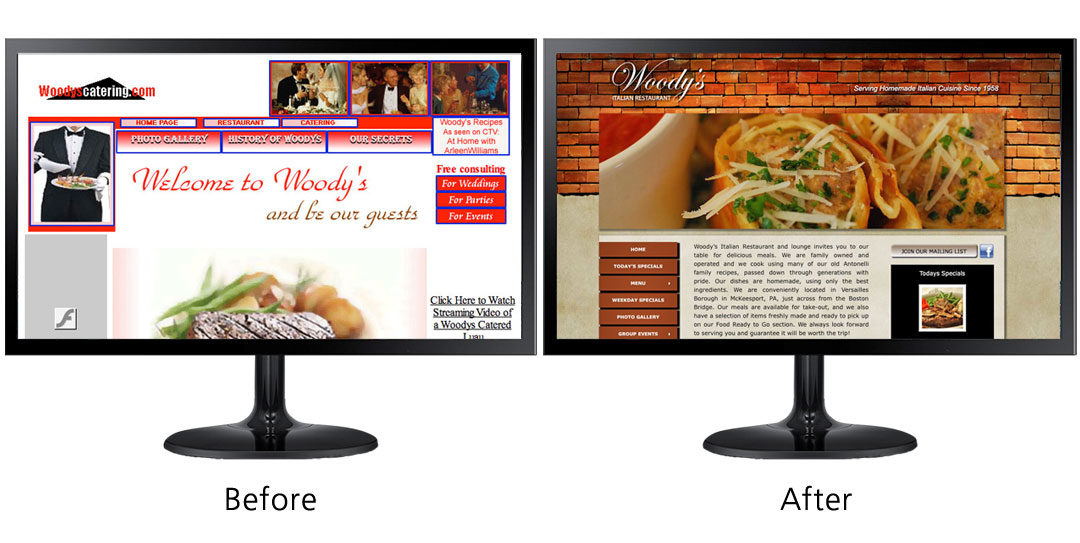
Do you need a brand new website, complete overhaul or just some tweaks?
Are you starting from point A?
Clients who contact me about a website may need everything from scratch- domain name, hosting, design, training, the completely new-to-this-thing and don’t know where to start. No problem.
Does your existing website need help?
Many businesses are already established and have a website but now need help with- whatever the case- for whatever reason, they need to part, move on. Find someone new. Those stories come in all forms.
Now there are issues with the site, it’s old, dated. You can’t figure out what to do now, things need updated but you can’t get in. Things are wrong everywhere you look: the old design, colors, bad photos, broken links, all kinds of update messages staring at you.
Hot Designs can pick up where your previous designer left off, patch up a few design or navigational issues, add social media plug-ins or other features, or start from scratch. Wherever you are in the process.
Whatever the case is, you can call with a quick rundown of your situation and get an honest projection of what it will take to fix or overhaul your site if it’s already in existence. FREE 15 MINUTE consultation. Be prepared to provide your website domain, for quickest evaluation.
Contact me here or call 724-542-4400. Beyond just the structure and build, I look at everything design related also, from the navigation (which is part of the design itself), color palette and image, quality of the content, missed opportunities (i.e.: social media connection), and much more, depending on just how much you want me to dive into it.

Glossary of Terms
These seem to be some of the most confusing terms that I can never explain in one paragraph to clients. Here is a breakdown of a few technical terms that might help:
COLOR TERMS
CMYK – Cyan, Magenta, Yellow, Black – These are the four basic colors used for printing. When mixed together, millions of colors are created in print. Also known as: process color, full color, 4/4 (meaning four colors on each side) or four color printing. All files are made using some mix/percentage of those four colors, when using a cmyk based printing process, like a four color press. Or a cmyk desktop printer- notice the four cartridges in your printer.
Color systems: cmyk, rgb, pantone, pantone process, black and white or grayscale and duotone (two pantone colors). When you are sending a file to print, and the printer asks you to send a cmyk file, they are not asking for a jpg or tif or eps. Different things. You can have a jpg file that is broken down into cmyk or rgb color system breakdowns.
File Mode vs. File Format File mode refers to the color system used in the file. Therefore, a file sent to a four color press should be a cmyk file (color mode). The print file is most likely saved as pdf. But a cmyk file can also be saved as an eps, tif, jpg or other format. If you open a file in Photoshop, you can see the color mode as either cmyk, rgb, grayscale, indexed color, lab color or duotone. From there you have options of saving into different formats such as png, eps, tif, pdf, jpg, gif, etc… there is a long list in Photoshop or file formats. The type of file format you save to depends on the usage of graphic: screen- emailing and websites OR print- any type of printing onto a surface from shirts to billboards.
RGB – Red, Green, Blue – These are the colors used for files on screens and monitors. Think of your tv set with the three color tubes. Those three colors mix to create all other colors you see on your screen. Again, millions of colors. For websites, emails, anything that appears on a monitor, rgb files are required. The file will be saved as a jpg, gif, png or some format used on monitors.
Confusing enough? One more thing to add about desktop printers,such as the one you have sitting near you, or at copy centers. They often print rgb files as well as cmyk files. The file type always depend on the printer being used. There are many types and always new ones, so doing a print test, one of each file type to compare, is the best way to know how to save a file.
FILE FORMATS- more about them
PDF – Portable document format – A format that allows users to view a document in Acrobat Reader. Maybe the most confusing thing people ask me about. Here’s why: You can save as a PDF from almost any application. You can save as .pdf from: Photoshop, Illustrator, InDesign, Microsoft Word, Excel, your browser etc. the list goes on forever. Each pdf can be opened in Acrobat Reader. Everyone knows about Reader, it’s the free version you can easily download, allowing you to open a .pdf, no matter what application you created it from. You don’t need the original application from which it was created such as Photoshop. You cannot edit the document in Acrobat Reader, but you can edit some things in the full version of Acrobat which is a paid version.
If a .pdf is saved from Illustrator, it can be opened in Illustrator with all original layers, vector art and can be edited completely. Again, so confusing for people to understand. When I need a logo for a billboard, it will be printed large. I’m looking for something that was done in Illustrator because it can be enlarged 1000% without pixelating, because there are no pixels. The file may be an .eps, .ai (Adobe Illustrator), or .pdf.
Vector Format – Vector files are made of line drawing programs such as Illustrator, Correl Draw and Freehand (from the past). This means that the files are not made up of dots or pixels, as in dots per inch. What makes them special, is that you can create a logo or billboard in one of these programs, very small. But when you print them out very large, the text and anything you drew within the program will be as crisp and clean at actual size or blown up very large. If you place a photo into Illustrator, the photo will be whatever resolution it was saved as from Photoshop or from the camera, etc. That photo WILL pixelate when blown up larger. But the text never will.
INTERNET TERMS
Registrar – If you think of what the term registrar means: “an official responsible for keeping a register or official records” it will help you understand domain names. A Domain Name Registrar is a company that has been licensed by the Internet Corporation for Assigned Names and Numbers (ICANN) or the local domain name authority in their country to sell domain names.
WYSIWYG – (pronounced “wissy wig”) – What you see is what you get. Meaning: when you are working on a document, you are working without code, basically seeing the end result as you are working on it. You often hear Drag and Drop which is kind of the same thing.
Domain Name – This is the most important one to the health of your website. It’s your name. With a .com at the end. It’s that simple, and as close as you can get to that without any weird characters, the better. Algorithms look at that as the #1 determination as to whether you should be found or not, using those words.
Weird characters in the domain name, let’s discuss. Your name is going to stick with you forever. You can change host companies all day long, but the NAME you choose is yours, to own, to keep, to secure, to OWN… did I mention that? Don’t let someone else buy it for you and keep it under their own lock and key. Trust me, buy your own. Pay for it. Keep your credit card on file. The rest, the website itself, can be moved, but to where.. you can to keep that domain name, it’s your address. And don’t let it expire or there will be extra bills to pay, and trouble.
WordPress – Now the most used platform (software in layman’s terms) being used to create websites. It’s available as a free download with any host, or you can grab it and install it for free, and build a site with a bit of knowledge, with no fees for that or the plugins used to create your site. It will need updated a lot, and you can try doing that on your own, but sometimes the site needs professional help with that.
WordPress Themes – Once WordPress is installed, it will put on free Themes, which all websites need as a basic structure for your site. The ones they put on are pretty gnarly, as for the design out of the box. If you know how to customize beyond what they offer built into it, you can work with it. I’ve never known anyone to use the basic year themes, though, there are others for free that are designed pretty nicely out of the box. If you want more than they offer, plugins can be added to create contact forms, galleries, all kinds of things that will get you by. Paid themes are available also, which usually have more bells and whistles built into them, usually a complete theme that doesn’t require you to add on all of the things, they’ve put them in, and given a lot of pre-designed templates as well. You can start from scratch with one of these themes also, design wise, or use their pre-built designs that only require you to swap out the text and photos they’ve already designed. I’ve never used those, I design from scratch, usually with paid themes or I did find a few free ones that worked out pretty well.

PDFs and Email Made it all Possible
About the title of this note. Well when I first started to freelance, there was no internet. (insert dinosaur jokes here) Certain things were a little harder. And more expensive. And took longer. Later as the internet was still in its childhood stages, I was still working mostly on printed pieces, logos and so forth, and occasionally a “banner ad” for those just trying to get a presence on someone else’s website. No one really had their own. Getting a physical draft of work to the client took as much effort as doing the work itself. It was tedious and expensive, requiring a larger format printer with costly ink, 11×17 paper, spray mount, xacto knives, sometimes bristol board, large envelopes and a FedEx account (or equivalent).
Yep, we had to print those brochures, ideas and everything we wanted to present, package them up, go to a drop off location and wait before calling the client for the feedback. Or we took half the day driving to the client and presenting the thing in person. Or in the case of an ad agency, you kept a very unhappy FedEx driver waiting while you chase them down with your package almost ready to go but not quite yet, because if you didn’t get it into FedEx today, you’d miss the deadline. That’s a BIG word in an ad agency.
As emails and the internet became more prevalent, more and more people got themselves an email address. With AOL. The invention of email is in my view, the NUMBER 1 most important tool for me being able to work from home. No more running back and forth to offices, printed out pieces, just hit a button and off went the draft. Of course the recipient needed something to view that but it’s coming soon enough.
NUMBER 2, the PDF (portable document format). And Acrobat Reader. NOW this powerful two punch combo made everything a piece of cake. Better than a cubicle was my own office, and this made it all possible. Or just cheaper, faster, easier and more feasible.
In conclusion, everything has changed and it keeps on changing. I’ll try and help you keep up with it, give you some tips and tricks, share my knowledge, and give thanks to NUMBER 1 and NUMBER 2 often! I’m still talking about Emails and PDFs.